Table of Contents
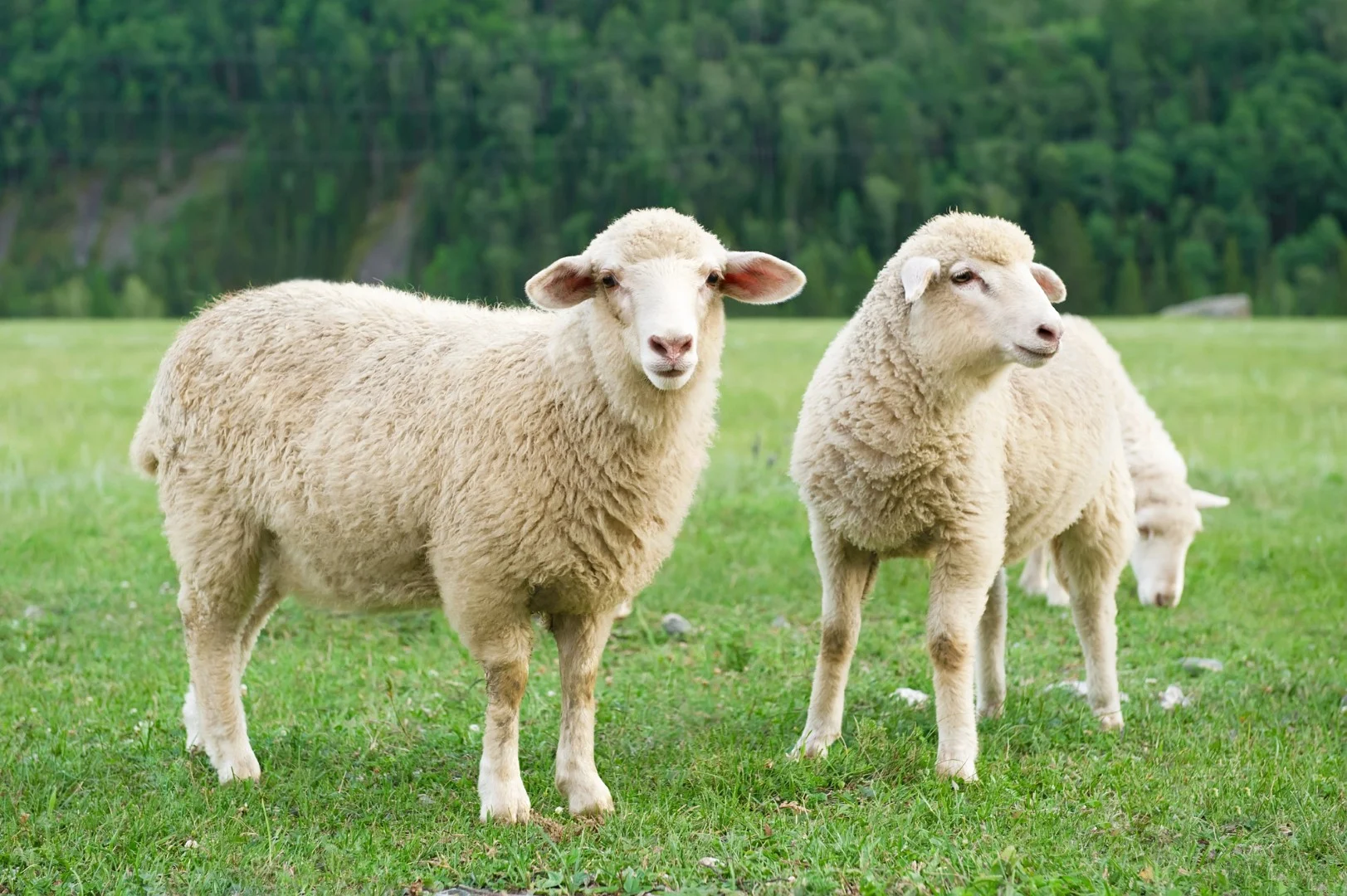
Copper is an important mineral, found in the Earth’s crust and vital for the regular bodily functions of many animals, humans, and sheep included. As crucial as the micromineral is for the health of sheep, too much copper in their system can be harmful and even fatal. Copper toxicity is a common and deadly disease that sheep are highly susceptible to. Keep your livestock safe and protect them from copper poisoning by understanding where it comes from and how to catch symptoms early.
At Bar-Bar-A, we want the best for you and your livestock. Whether it’s keeping copper sediments from building up or bacteria from growing in standing water, we ensure that your animals are properly hydrated with safe and clean drinking solutions. Using an automatic waterer made specifically for sheep can help you maintain the quality of your animals’ water and allow them to efficiently access the hydration that they need.
The Line Between Copper Toxicity and Deficiency
Unfortunately, sheep have a small threshold for the amount of copper that they can hold in their body without either being copper deficient or suffering from copper poisoning. Unlike other livestock animals, sheep store excess amounts of copper directly in their livers by absorption through both the small and large intestines. Because the liver cells in sheep absorb copper very easily but release it very slowly, high concentrations of copper can build up in the liver over time. When sheep become stressed, with events such as transportation, storms, shearing, or extreme temperatures, liver cells rupture and release a massive amount of copper into the sheep’s bloodstream, ultimately leading to kidney failure.
In order to prevent a copper deficiency that can lead to weak bones, nerve damage, and fading wool coloration in sheep, they need at least 5ppm of dietary copper, with the recommended dosage at 8-11 ppm daily. Diets that exceed 25 ppm in their daily feeding and drinking can cause copper toxicity.
Causes of Water-Borne Copper Toxicity
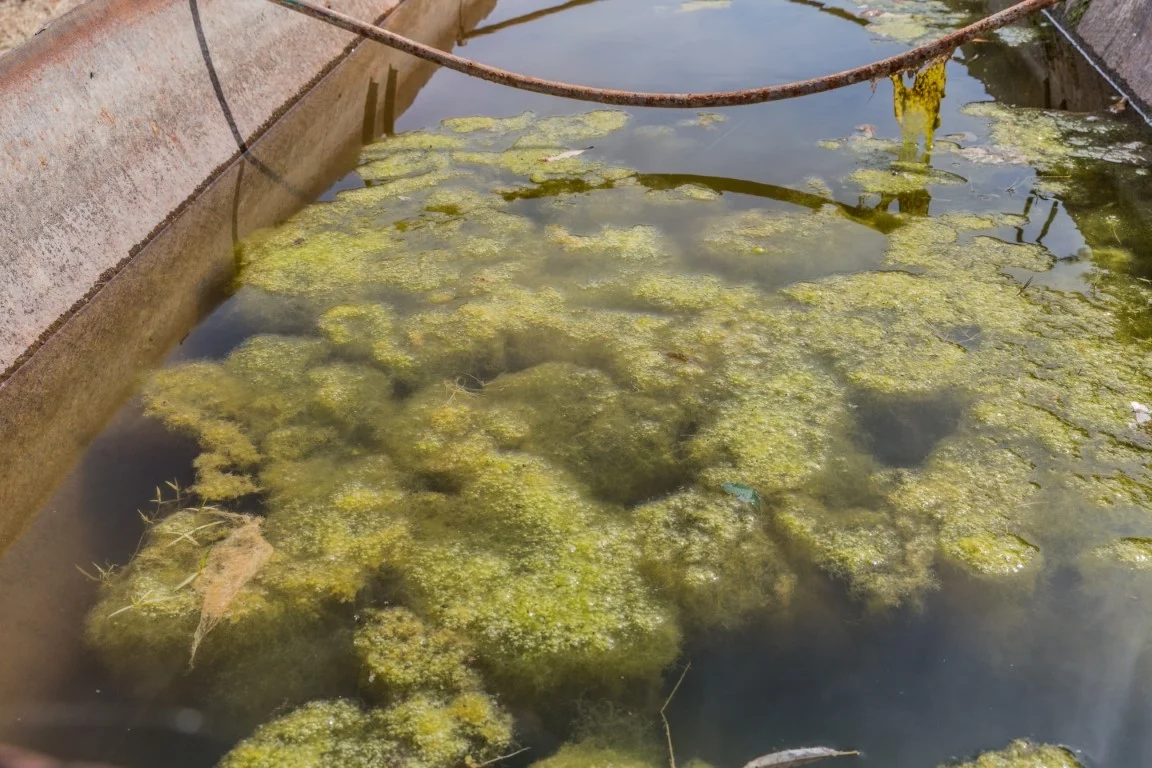
Sheep can overconsume copper through feed mix-ups, pasture contamination, or improper watering. Copper can be released into water through corrosive copper plumbing, old copper-lined troughs, contamination with soil or feces containing copper, or copper sulfate that is used to treat algae growth in water systems. Properly installed and automatic livestock drinkers can help you avoid copper pollution in your animals’ water.
Signs Your Sheep Has Copper Poisoning
If your sheep is experiencing these symptoms, take them to the vet right away, as they can be common signs of copper poisoning:
- Reduced appetite
- Jaundice
- Pale gums or inner eyelids
- Appearance of blindness
- Difficulty breathing
- Fever
- Staggering
- Excessive pressing of their head against walls
- Discolored urine
Ways to Maintain Healthy Copper Levels and Avoid Copper Toxicity
Keep your sheep’s copper level safe with these practices:
- Look into the copper levels of the food and supplements you give your sheep.
- Test your watering systems for harmful amounts of copper.
- Contact your feed company representative to ensure no swine or poultry feeds are being mixed with your products.
- Avoid letting sheep graze in pastures that have been fertilized with poultry or swine waste.
- Add a trace mineral called molybdenum to your sheep’s diet to help manage copper absorption. Only use professional treatments approved by vets.
- Avoid algae treatment or pest control products that contain copper.
- Do not use copper lines for your sheep’s water.

Treating Copper Poisoning In Sheep
If you notice signs of copper toxicity in your sheep, it’s important to take action right away. Test your current feed for copper, but as copper can be stored in liver cells for 18 months at most, the current feed is not always the source of toxicity. Contact a veterinarian for the right solution for your sheep. Common treatments for copper toxicity include:
- Vitamin C: Vitamin C helps to reduce oxidative stress in sheep and helps protect the red blood cell membranes from bursting and releasing stored copper.
- Methylene Blue: Methylene Blue works to reduce copper levels in the sheep by restoring the hemoglobin so oxygen can be carried throughout the body efficiently.
- Ammonium Tetrathiomolybdate: A compound that helps decrease copper absorption and binds to copper for elimination from the sheep’s system.
- D-penicillamine: A medicine that improves the excretion of copper in the sheep’s urine.
- Sodium Thiosulfate: A chemical compound, usually combined with ammonium tetrathiomolybdate, to remove copper stored in the liver of the sheep.
Sanitary Automatic Drinkers With Bar-Bar-A
Avoid copper toxicity in your sheep with our automatic watering systems. With fresh, flowing water that comes directly from your pipes, you can keep copper contaminants from building up in your livestock’s drinkers. Learn more about Bar-Bar-A and the products we offer today!