Table of Contents
Water is one of the most important resources on farms and ranches, especially those in dry climates. Livestock operations depend on reliable water supply for animal health, hydration, and productivity.
Water waste often goes unnoticed on farms and ranches, but it can create significant expenses over time. Small leaks, overflowing troughs, inefficient watering systems, and poor maintenance can contribute to unnecessary water loss.
Keep reading to learn about how addressing these issues and reducing water waste can help you save money, conserve resources, and improve your daily operations, along with the role of automatic waterers in water conservation.
Where Water Waste Happens on Farms and Ranches
First, let’s identify where water waste often happens on farms and ranches.
- Leaking water lines and connections: Damaged pipes, loose fittings, and worn water line connections can cause continuous water loss. Even small leaks can waste substantial amounts of water over time, which is why it’s important to routinely inspect water lines.
- Overflowing livestock water troughs: Malfunctioning float valves can cause troughs to overflow, creating muddy, unsanitary conditions around watering areas. Additionally, improper water level settings can contribute to unnecessary waste.
- Inefficient or outdated watering equipment: Older watering systems may lack effective water level controls. However, manual filling can lead to overfilling.

The Financial and Operational Impacts of Water Waste
Water waste can have a significant financial impact on your farm or ranch — wasting water means wasting money. Here’s how:
- Higher water bills and pumping costs: Water waste increases utility expenses for using municipal or metered water. There’s also additional electricity or fuel costs associated with pumping well water. These expenses can accumulate over time across multiple watering locations.
- Increased equipment wear and maintenance: Unnecessary pumping places additional demand on your equipment, contributing to premature wear and additional maintenance needs. This means additional expenses associated with repairing damaged lines, valves, and waterers.
- Increased labor requirements: It takes a lot of time to manually refill troughs and address recurring water problems, taking time away from other farm responsibilities. And as you know, time is money.
- Muddy livestock areas: Overflowing watering stations create mud and standing water, which can cause problems with hoof health, animal comfort, and sanitation — all of which take time and money to address.
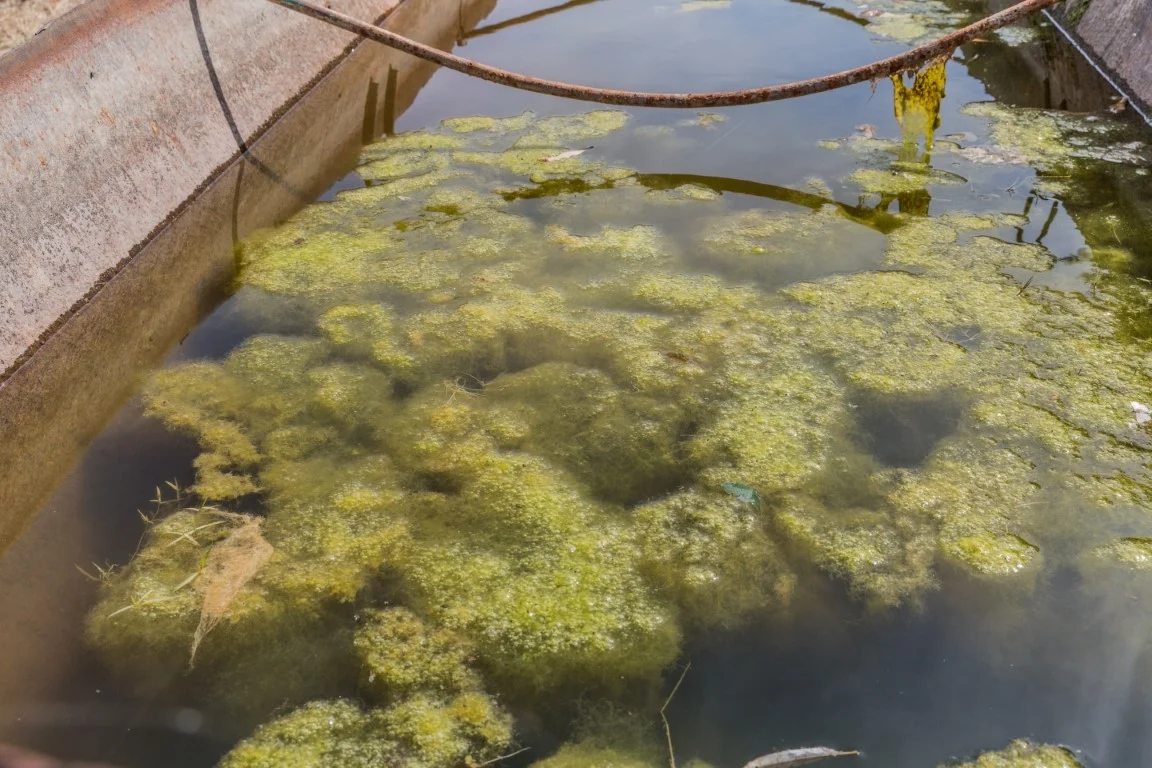
- Increased risk of water contamination: Standing water can contribute to algae growth and mosquito breeding, which can put your livestock’s health at risk.
- Reduced efficiency: Unreliable watering equipment can disrupt your daily routines, creating additional management challenges.
Practical Ways to Manage Water Waste
One of the best ways to reduce water waste is to repair small leaks promptly before they become larger problems. Check both visible and underground plumbing when water loss is suspected.
Make sure you position your waterers in locations with appropriate drainage, as well. Prevent overflow from collecting around watering stations by using gravel or other suitable materials to manage muddy areas. This can help protect your livestock from the risks of algae and bacterial growth that often occur with standing water.

The Role of Automatic Livestock Waterers in Conserving Water
If you have an old, outdated watering system that wastes a lot of water, consider upgrading to an automatic waterer from Bar Bar A. Think of it like a drinking fountain for animals — the device only dispenses as much water as the animal needs, and if there’s any extra left in the basin, it drains out underground.
While some water does drain out, it’s typically much less than you’d waste if you left a trough out in the open to get contaminated with manure or grow algae and bacteria. When that happens, you have to dump all that water out and start fresh, but there’s no need to do that with an automatic waterer.
Plus, our automatic waterers reduce the amount of manual labor needed to run your farm or ranch, which means you’re saving significant man-hours, too. You (and your employees) can spend your time on all the other tasks that running a livestock operation requires.
Enhance Efficiency with Bar Bar A
At Bar Bar A, we know that water waste creates costs beyond your utility bill, including equipment repairs, labor, and property maintenance. That’s why we developed an automatic waterer that works to reduce water waste and make your everyday operations smoother and more efficient.
If you own a farm, ranch, or homestead, check out our online store today to browse our selection of automatic livestock waterers. And if you have any questions, feel free to reach out to us for help.