Table of Contents
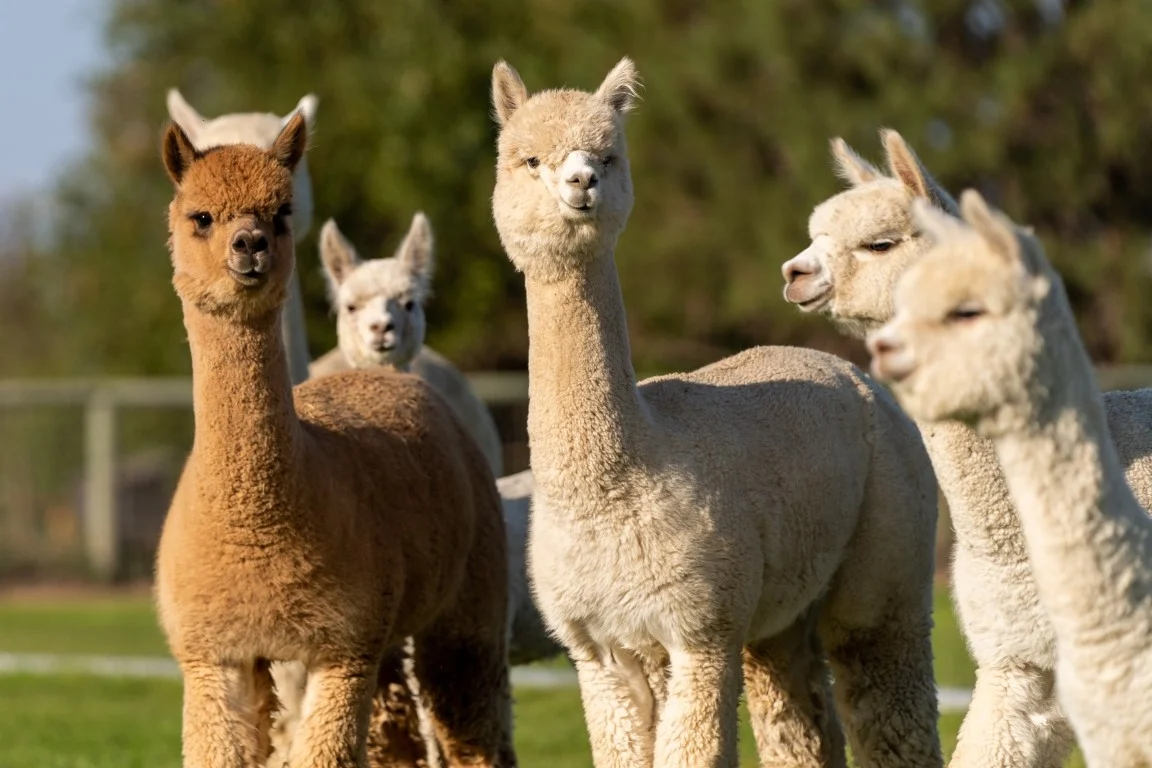
Alpaca fur may not be the most common type of fiber used in textiles, but it’s prized among both home knitters and textile manufacturers alike for its hypoallergenic nature, water repellence, fire resistance, softness, and warmth. It’s a valuable agricultural product whose quality depends on the alpaca’s overall health, including its hydration. While hydration doesn’t directly determine fiber quality on its own — nutrition, genetics, age, health, and environment also play major roles — it can certainly have a big impact on the final product.
If you raise alpacas for their fur, keep reading to learn more about alpaca fur production, why hydration matters, the potential effects of dehydration, and how an automatic waterer from Bar Bar A can help.
Understanding Alpaca Fleece Production
There are two types of alpaca bred for their fleece: the Huacaya and the Suri.
Huacaya fleece is soft, spongy, fluffy, durable, and luxurious. While it’s similar to sheep’s wool, it’s warmer, not as prickly, and because it has no lanolin, it’s hypoallergenic, as well. It has a natural crimp, which makes it good for knitting. Suri fleece is longer and hangs off the body in locks. Because it isn’t crimped, it’s better for woven textiles.
The process of harvesting and processing alpaca fur is similar to that of sheep’s wool. The alpacas are shorn each spring, and the fleece is cleaned and sorted by color. After that, the wool is carded, which aligns the fibers into what’s called a “strain”. Finally, the strains are spun into yarn using a spinning wheel, then washed again. Now the yarn is ready to be sold for knitting or further processing.
Why Hydration Matters for Alpacas
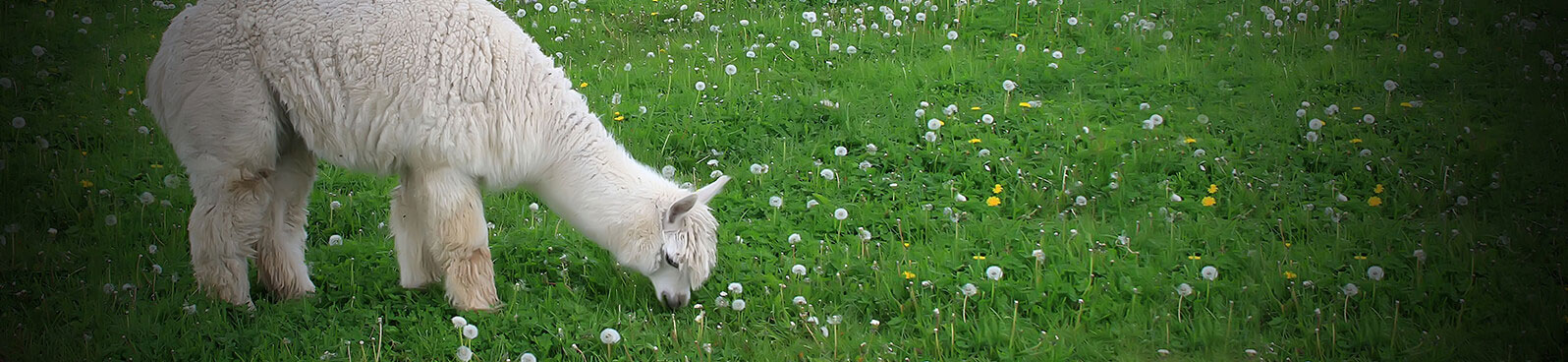
Now that you know how alpaca fur production and processing works, let’s take a look at why hydration matters for alpacas and how water intake is connected to fiber growth.
Water is essential for normal body function. It supports circulation, digestion, nutrient transport, temperature regulation, and waste removal. Every livestock animal — including alpacas — needs consistent access to clean, fresh water in order to remain happy, healthy, and productive.
Fiber growth depends on the animal’s overall health. Just like in humans, alpaca fur grows from follicles in the skin. Adequate hydration works alongside a balanced diet to support healthy skin and follicles. The body must have adequate nutrients — and enough water to transport them throughout the body — to support normal fiber production.
How Dehydration May Affect Alpaca Fur
Dehydration places physiological stress on the animal, affecting its ability to function normally. Significant or prolonged dehydration can contribute to a poor body condition and overall health problems, impacting the appearance and condition of a fleece along with fiber uniformity and growth patterns.
Breeders should look at fiber changes alongside body condition, appetite, water consumption, and other health indicators. Dehydration isn’t the sole cause of changes in alpaca fur quality; it’s often simply a larger piece in the puzzle. Genetics, nutrition, overall health, and the presence of environmental stressors can also have major impacts on alpaca fur.
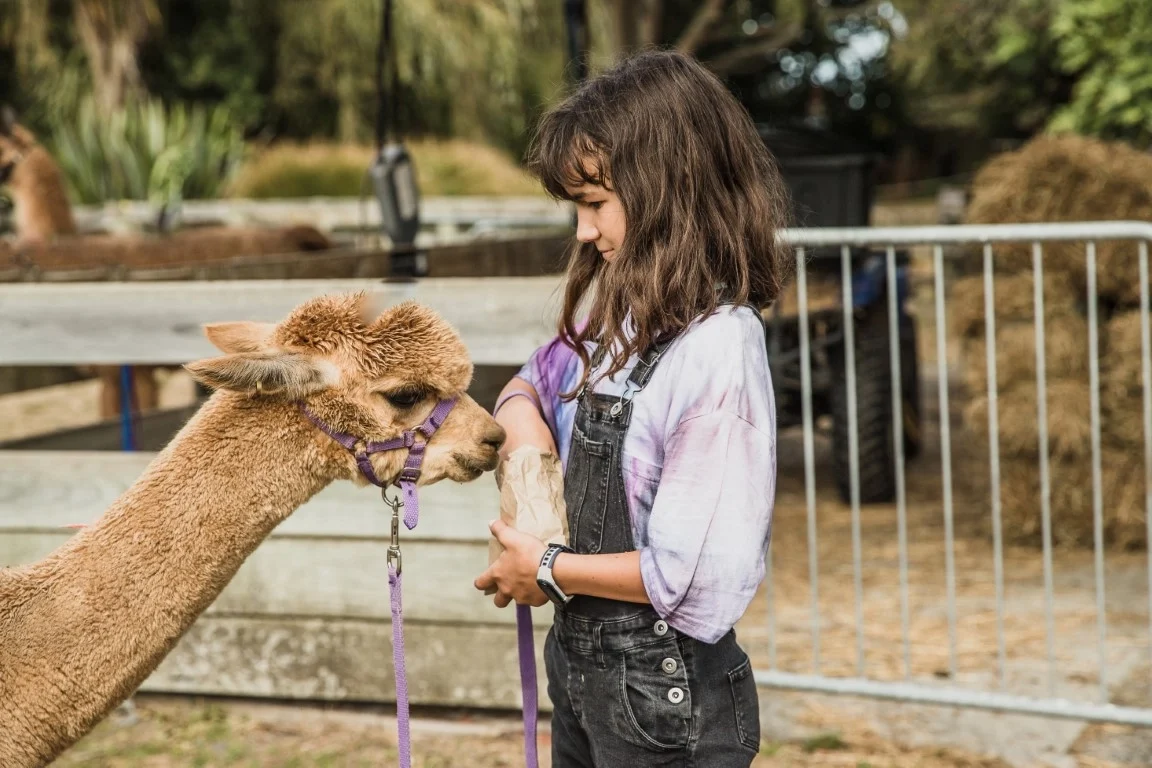
Keeping Alpacas Properly Hydrated with Automatic Waterers
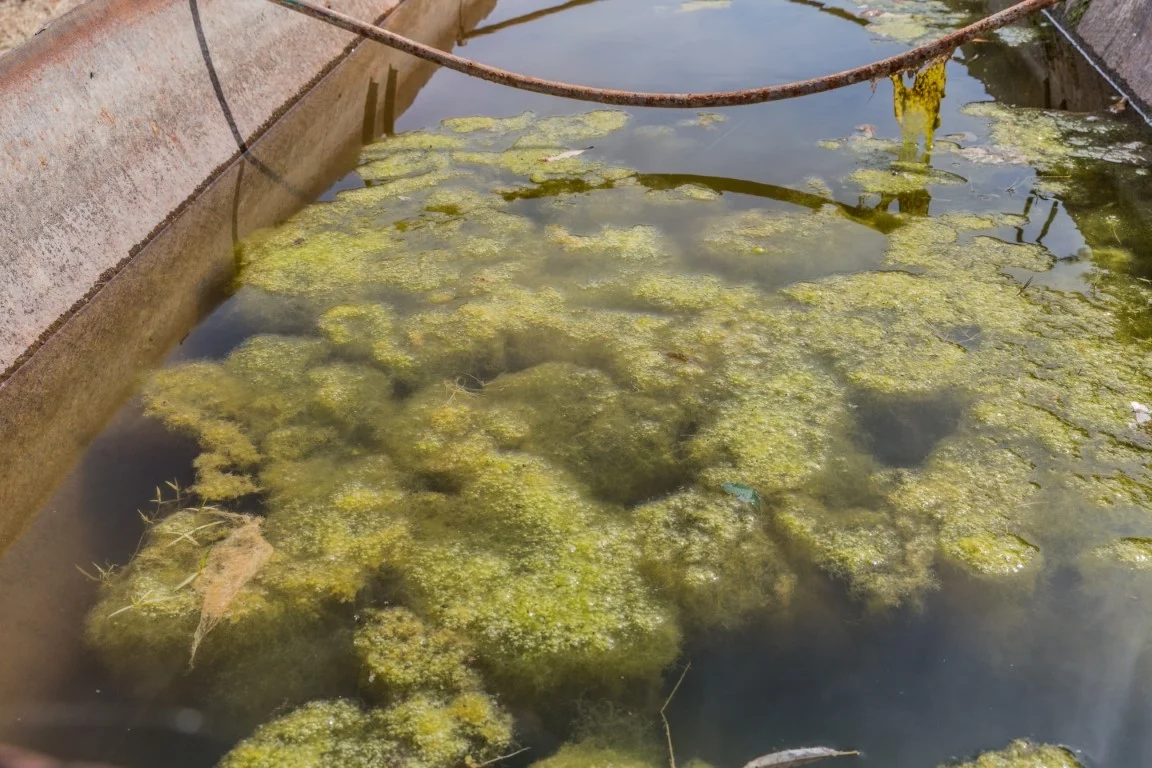
Automatic waterers from Bar Bar A are an excellent choice for alpaca farmers who want to ensure their animals are getting enough water. Think of them like drinking fountains for livestock — they provide continual access to all the fresh, clean water your animals need, and once they’ve had their fill, the excess water drains out. This means there’s no standing water to attract pests, grow algae, or get contaminated with manure.
Our automatic waterers are designed to work in all seasons. Without standing water, there’s no risk of freezing in the winter, and when temperatures rise, the water won’t evaporate. This means much less work for you and a more convenient way to ensure your alpacas stay hydrated year-round.
Plus, our waterers are non-electric, meaning they don’t need to be hooked up to the power grid to operate. This means they can work on remote farms and ranches or during a power outage.
Boost Your Alpaca Fur Production with Bar Bar A
If you want to grow quality alpaca fur, you need to ensure your animals are healthy. And a major component of livestock health is access to clean, fresh, safe drinking water. At Bar Bar A, we provide non-electric automatic waterers designed to give your alpacas all the water they need to stay healthy. If you’re looking to level up your watering process and save yourself a lot of work, browse our products online today and feel free to contact us with any questions.