Table of Contents
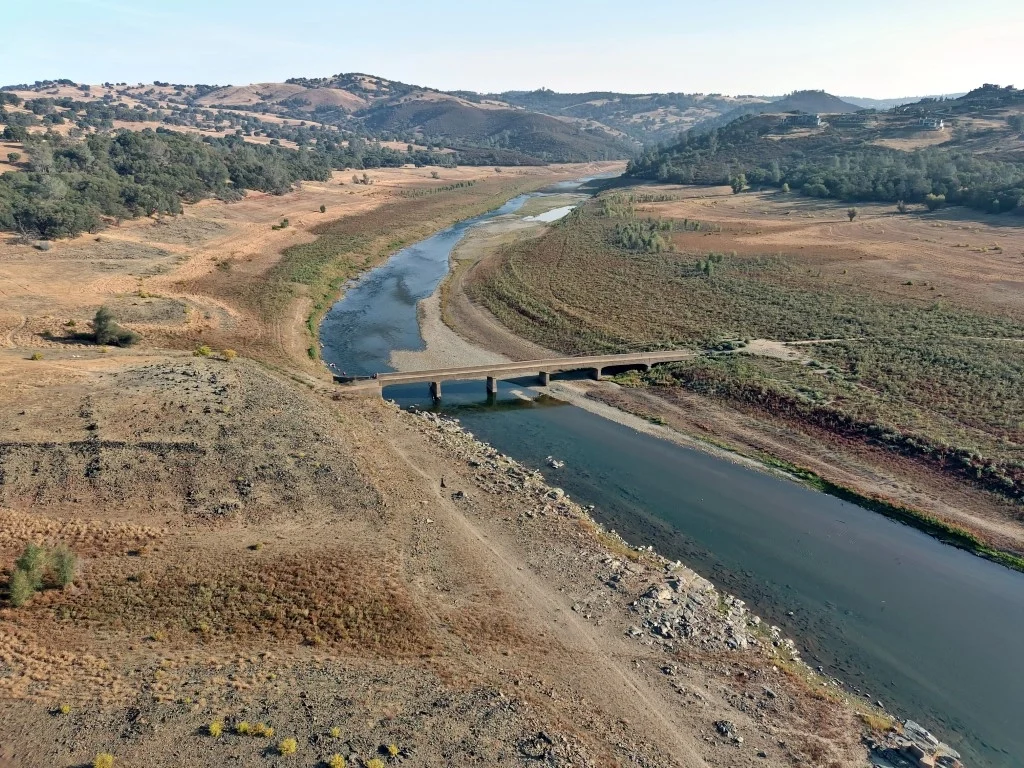
Drought conditions are challenging for everyone, but especially livestock producers. Without sufficient rainfall, water sources can shrink or dry up, affecting water access and availability for the animals. Plus, livestock need to drink even more water than normal in hot, dry weather conditions, compounding the problem.
At Bar Bar A, we know that livestock health, productivity, and profitability depend on maintaining adequate hydration, especially during dry periods. That’s why we’re presenting this guide to water management during droughts to help you understand the effects of drought on livestock health, how to monitor your water sources, some strategies for conserving water, and how an automatic waterer can help.
Why Water Becomes a Greater Concern During Drought
A drought is an extended period of time where the weather is abnormally dry and precipitation is lower than normal. During these times, natural water sources like ponds, streams, and reservoirs may shrink because more water is evaporated than is replaced. The resulting lower water levels can affect access and availability for livestock, and in severe cases, they may have to compete for the limited water resources available.
Furthermore, droughts usually occur in summer. Animals need to consume more water than normal in hot, dry weather in order to stay happy, healthy, and productive. Plus, lactating, growing, and working animals often require even more water, which is difficult to achieve in drought conditions.
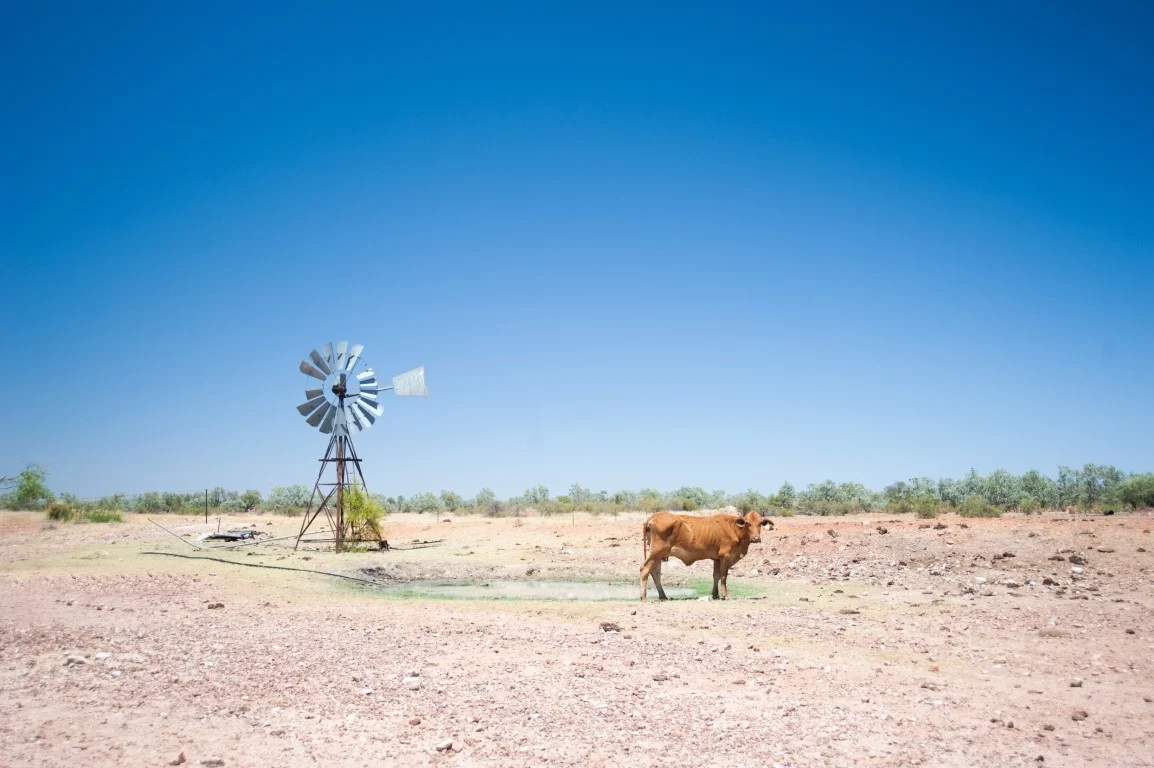
How Drought Affects Livestock Health
One of the most significant ways drought can affect your livestock’s health is increasing the risk of dehydration, which can quickly become serious in extreme heat.
While dehydration is dangerous on its own, it can also cause animals to eat less. Lower feed consumption, in turn, affects livestock’s growth, productivity, body condition, and overall performance. Dehydration can also impact milk production in dairy animals and lead to reproductive and performance challenges.
Monitoring Water Sources During Drought
It’s always important to monitor water sources, but especially during a drought. Here’s what you should do during dry seasons:
- Evaluate existing water supplies: Inspect ponds, tanks, wells, and other water sources regularly. Monitor water levels and availability and develop contingency plants before water shortages occur.
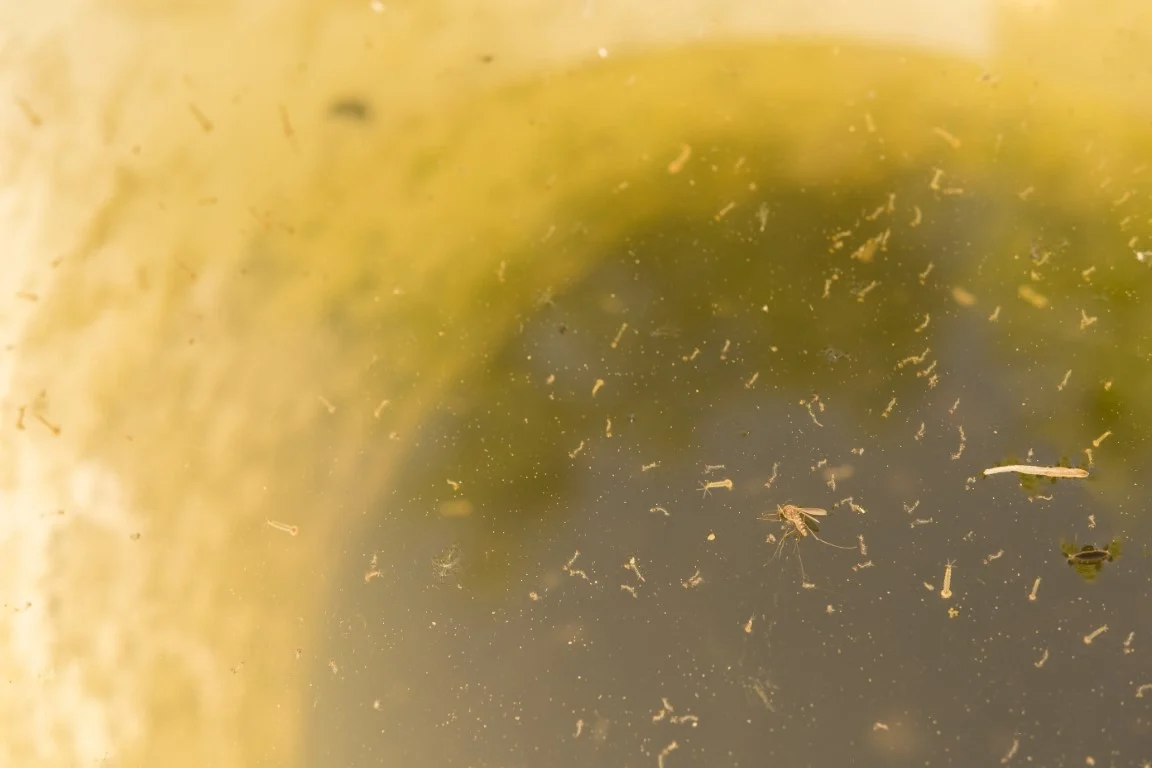
- Test water quality: Poor-quality water can discourage animals from consuming the water that is available. Test the water periodically for excessive minerals, algae, bacteria, or contaminants to ensure it’s still safe to drink.
- Watch for changes in behavior: Reduced livestock water intake may signal a problem. Observe them closely, especially during hot weather, and make note of anything out of the ordinary.
Strategies for Conserving Water While Meeting Livestock Needs
Conserving water is essential during a drought, but at the same time, you have to make sure you’re meeting your livestock’s needs. Here are some ideas for how to use water more efficiently:
- Repair leaks and address water loss: Routinely inspect pipelines, valves, troughs, and automatic waterers for leaks. Even small leaks can waste significant amounts of water over time.
- Prevent overflow and waste: Adjust water levels appropriately to prevent overflow and waste. If applicable, adjust float systems and automatic shutoffs to maintain efficiency.
- Improve watering efficiency: Place water sources near animal grazing areas so they don’t have to travel as far for a drink of water. When water access is convenient, animals will be more likely to drink it.
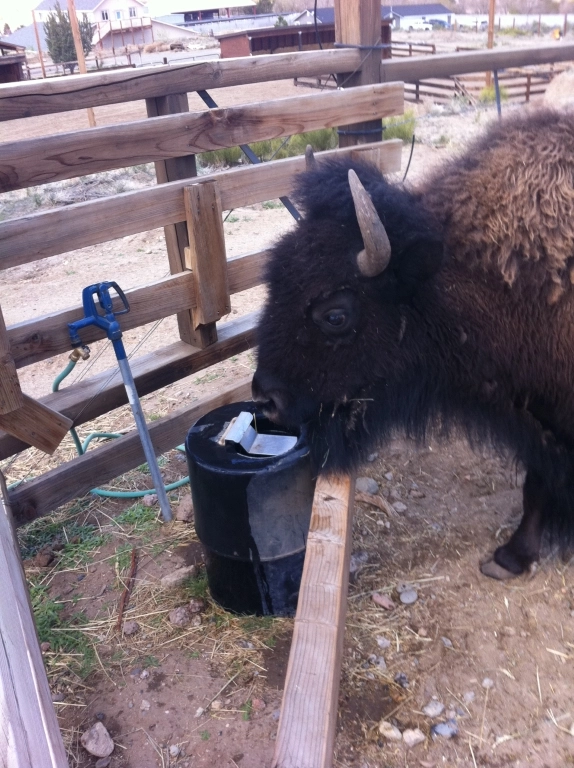
Using Automatic Waterers During Drought Conditions
Automatic waterers from Bar Bar A are an invaluable tool for helping your livestock remain hydrated during dry conditions. They help reduce waste compared to some traditional systems by eliminating standing water and therefore evaporation. While the unused water does drain out when the animal is done, this amount is typically less than you may lose from evaporation with an open trough.
Our automatic waterers also ensure consistent water availability during droughts, so livestock don’t have to compete for dwindling water in ponds or streams. This means it’s much easier for them to stay hydrated, even in the hottest months of summer. Plus, once the waterer is installed, there’s little maintenance needed — no hauling heavy buckets or constant refilling.
Reliable Automatic Waterers from Bar Bar A
If you’re a farmer, rancher, or homesteader looking for a way to ensure your livestock remain hydrated no matter what weather conditions come your way, look no further than Bar Bar A. Our non-electric automatic waterers are designed to provide access to all the water your animals need to remain healthy, productive, and comfortable. Whether you raise goats, horses, cows, llamas, or anything in between, we have the waterers you need. Browse our online store or contact us today to learn more!